Home Furnishings vs Furniture: What's the Difference and Why It Matters
Walk into any home store and you’ll see the words “furniture” and “home furnishings” used almost interchangeably on signage, websites and catalogues. Yet the two terms describe different things, and understanding the distinction has real practical consequences — for your budget, your insurance policy, your moving checklist and even how you plan a room from scratch. This guide breaks down both categories in detail, compares them side by side, and finishes with a clear verdict on how to think about each when setting up or refreshing a home.
What Counts as Furniture?
Furniture refers to the large, movable objects that make a space functional for human activity: things you sit on, sleep on, eat at, work at or store belongings in. The category is old — the word derives from the French fournir, “to provide” — and its core has barely changed in centuries.
Typical furniture includes:
- Seating: sofas, armchairs, dining chairs, benches, stools, office chairs
- Tables: dining tables, coffee tables, side tables, desks, consoles
- Beds and sleep systems: bed frames, headboards, daybeds, bunk beds
- Storage: wardrobes, dressers, chests of drawers, sideboards, bookcases, TV units
Three characteristics define furniture as a category. First, it is functional at its core — a chair exists to be sat on, and its decorative qualities are secondary. Second, it is freestanding and movable, which distinguishes it from fixtures like fitted kitchens or built-in closets (a legally meaningful distinction when buying or renting property, since fixtures typically stay with the building while furniture leaves with the occupant). Third, it is durable: furniture is bought with the expectation of years, often decades, of use.
What Counts as Home Furnishings?
Home furnishings is the broader umbrella term. Depending on who is using it, it can mean one of two things:
- The inclusive definition: everything used to furnish and equip a home — which means furniture plus all the softer, smaller and more decorative items.
- The narrower retail definition: everything except the big furniture pieces — the textiles, décor and accessories layered on top. Retailers often use “furnishings” this way to distinguish their soft-goods departments from their furniture floors.
Under either reading, the furnishings side of the equation includes:
- Textiles: curtains, blinds, rugs, carpets, cushions, throws, bed linens, upholstery fabrics, towels
- Lighting: table lamps, floor lamps, pendant shades (portable lighting, as opposed to hardwired fixtures)
- Wall décor: framed art, prints, mirrors, wall hangings, clocks
- Accessories: vases, candleholders, trays, baskets, decorative objects, plants and planters
- Functional small goods: sometimes extended to tableware, kitchen textiles and similar household equipment
The common thread: furnishings are what give a room its atmosphere, colour, texture and personality. A room with only furniture is functional but bare; furnishings are what make it feel inhabited.
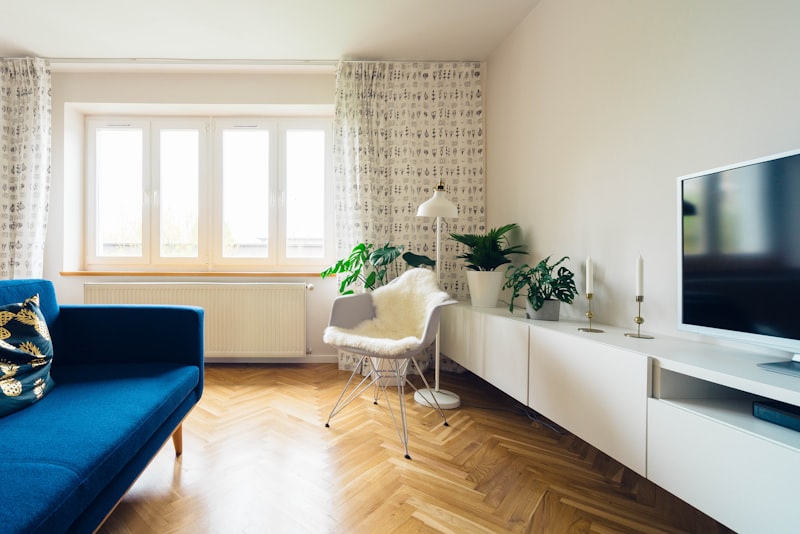
A useful mental model: furniture is the skeleton of a room; furnishings are the skin, clothing and character. Furniture determines what you can do in a space. Furnishings determine how the space feels.
Head-to-Head Comparison
| Criterion | Furniture | Home Furnishings (soft goods & décor) |
|---|---|---|
| Primary role | Function: sitting, sleeping, eating, storage | Atmosphere: colour, texture, comfort, style |
| Typical size | Large, bulky | Small to medium |
| Typical lifespan | 10–30 years for quality pieces | 2–10 years; trend-driven items shorter |
| Cost per item | High | Low to moderate |
| Share of room budget | Usually the majority | Usually the smaller share, spread over many items |
| Ease of replacement | Difficult: delivery, assembly, disposal | Easy: often a same-day swap |
| Trend sensitivity | Low — classic shapes endure | High — colours and patterns cycle seasonally |
| Moving effort | High: heavy, may need disassembly | Low: boxes and bags |
| Impact on room function | Decisive | Minor |
| Impact on room mood | Moderate | Decisive |
| Resale value | Meaningful for quality pieces | Minimal |
Cost and Budgeting: Where the Money Goes
The financial profiles of the two categories are almost opposite.
Furniture is a lump-sum expense. A sofa, a bed with a good mattress, a dining set and a wardrobe are each significant purchases, and together they typically consume the bulk of a room-setup budget. The consolation is longevity: amortised over 15 or 20 years, a well-made sofa costs less per year than many people spend on streaming subscriptions.
Furnishings are a drip expense. Individually cheap, they add up quietly — a rug here, new curtains there, cushions refreshed with the seasons. Because each purchase feels small, furnishings budgets are the ones that most often go untracked. Anyone who has totalled a year of “just a little something for the living room” purchases knows the surprise at the bottom of the receipt pile.
A widely used planning approach for a new home is to split the budget roughly 60–75% furniture, 25–40% furnishings, weighted toward furniture for the first setup and toward furnishings for every refresh afterwards. The logic: you buy furniture once and restyle around it many times.
Two budgeting rules of thumb follow from this:
- Spend up on furniture you touch for hours daily — the mattress, the sofa, the desk chair. These are cost-per-use bargains even at high prices.
- Spend flexibly on furnishings, because they are the cheapest lever for changing how a home looks. Swapping textiles transforms a room for a fraction of the cost of replacing a single furniture piece.
Durability and Lifespan
Furniture is engineered for structural endurance. Solid wood frames, proper joinery, high-resilience foam and quality hardware are what separate a sofa that sags in three years from one that serves for twenty. Because failure is structural (a broken frame, a collapsed drawer), furniture problems are usually terminal or expensive to repair.
Furnishings wear differently. Textiles fade in sunlight, rugs show traffic patterns, cushion covers pill and stain. But this wear is gradual and cosmetic, and replacement is trivial. Nobody grieves a five-year-old cushion cover.
This difference should drive buying strategy: buy furniture for the decade, buy furnishings for the mood. Paying a premium for a “timeless” trend-coloured cushion makes little sense; paying a premium for frame construction on a sofa makes a great deal of sense.
Flexibility and Style: The Renovation Lever
Here furnishings win decisively. Consider what it takes to change a living room’s character:
- Via furniture: order a new sofa (weeks of lead time), arrange delivery, dispose of the old one, spend a four-figure sum.
- Via furnishings: new curtains, a different rug, three cushion covers, a couple of prints — done in a weekend, often for less than a tenth of the cost.
This is why interior designers commonly advise choosing furniture in neutral, durable colours and classic silhouettes, then injecting personality through furnishings. The sofa is the stage; the textiles are the play. When trends shift — and textile trends shift every season — you swap the play, not the stage.
Furnishings also solve problems furniture cannot:
- Acoustics: rugs, curtains and upholstered surfaces absorb sound; hard furniture does not.
- Warmth and light control: curtains and blinds manage privacy, glare and heat.
- Seasonal adaptation: heavy throws and warm-toned textiles in winter, light linens in summer — a rhythm impossible to achieve with furniture.
Practical Consequences of the Distinction
The furniture/furnishings divide is not just semantic. It shows up in several real-world contexts:
Renting and “furnished” apartments
A “furnished” rental generally promises furniture — bed, wardrobe, table, seating. It rarely promises furnishings: don’t expect curtains, rugs, lamps or bed linens unless the listing says “fully equipped.” Knowing the terminology helps you ask the right questions before signing.
Insurance
Household contents insurance typically covers both categories, but claims adjusters distinguish between them. Furniture items are high-value line items worth documenting individually (photos, receipts); furnishings are usually covered in aggregate. An up-to-date inventory that separates the two makes any claim smoother.
Moving
Furniture drives moving costs — it determines truck size, crew size and whether disassembly is needed. Furnishings drive packing time. Budget and plan for them separately: a furniture-heavy household with minimal décor moves very differently from a décor-rich one with modest furniture.
Property sales
Freestanding furniture leaves with the seller by default; fixtures stay. Furnishings occupy a grey zone — curtain rails often stay, curtains often go — which is why purchase contracts frequently itemise them. If it matters to you, put it in writing.
Pros and Cons at a Glance
Furniture
Pros
- Delivers the core functionality of a home — nothing replaces it
- Long lifespan; quality pieces can serve for decades and be repaired or reupholstered
- Holds resale value better than any other home category
- Anchors a room’s layout and gives design decisions a stable foundation
- Cost per year of use is low despite high sticker prices
Cons
- High upfront cost concentrated in few purchases
- Mistakes are expensive and hard to reverse
- Heavy and awkward to move, deliver and dispose of
- Slow to change — long lead times for made-to-order pieces
- Limited power to change a room’s mood on its own
Home Furnishings
Pros
- Cheap, fast and low-risk way to transform how a room looks and feels
- Easy to replace, wash, store and rotate seasonally
- Adds comfort furniture can’t: softness, acoustics, light control, warmth
- Lets you follow trends without major spending
- Simple to transport and start over with in a new home
Cons
- Costs accumulate invisibly through many small purchases
- Shorter lifespan; textiles fade, stain and wear
- Trend-driven items date quickly
- Near-zero resale value
- Cannot compensate for missing or failing furniture — no rug rescues a broken bed
How to Prioritise: A Practical Sequence
For anyone furnishing a home from zero, the categories suggest a natural order:
- Sleep first. A proper bed and mattress outrank everything; sleep quality affects everything else.
- Core furniture second. Seating, a table to eat and work at, essential storage. Choose neutral and durable.
- Functional furnishings third. Curtains or blinds (privacy and sleep), a rug (acoustics and warmth), portable lighting (a home lit only by a ceiling light feels like an office).
- Decorative furnishings last, and gradually. Art, objects and accessories are best accumulated over time — rooms decorated in a single shopping trip tend to look like showrooms, not homes.
For anyone refreshing an existing home, invert the lens: exhaust the furnishings options before touching the furniture. New textiles, rearranged art and different lighting solve most “I’m bored of this room” problems at a fraction of the cost. Only when the function fails — the sofa sags, the storage overflows — is it truly a furniture problem.
Common Misconceptions
“Furnishings are optional extras.” Some are, but curtains, rugs and lamps do functional work — privacy, acoustics, lighting — that no furniture can. A home without them is measurably less comfortable, not just less pretty.
“Good furniture makes a room beautiful on its own.” Showrooms disprove this daily: they surround every sofa with rugs, cushions, lamps and greenery precisely because bare furniture, however fine, reads as cold.
“Furnishings are where to economise.” Half true. Economise on trend items, yes. But a rug too small for the seating area or flimsy curtains that block no light are false economies that undermine the furniture around them. The better rule is: economise on trendiness, not on function.
“The terms mean the same thing.” As this article shows, retailers, landlords, insurers and movers all treat them differently. The distinction is worth knowing whenever money or contracts are involved.
Verdict: Not Rivals, but Layers
Framing this as “home furnishings vs furniture” is useful for understanding the categories, but the honest conclusion is that they are not competitors — they are sequential layers of the same project, and each fails without the other.
Furniture wins on function, longevity and value retention. It deserves the larger share of your budget, the longer research time, and a bias toward quality and neutral design. Buy it slowly, buy it well, and expect to live with it for a decade or more.
Furnishings win on atmosphere, flexibility and cost of change. They deserve a smaller but recurring budget, a lighter attitude toward trends, and the understanding that they — not the furniture — are what make a house feel like your home. Swap them freely; that’s what they’re for.
If you must reduce it to a single sentence: invest in furniture, play with furnishings. Get the skeleton right once, then let the skin and clothing change with your life, the seasons and your taste. That division of labour — permanence below, personality on top — is the quiet formula behind nearly every home that feels both well-made and genuinely lived in.